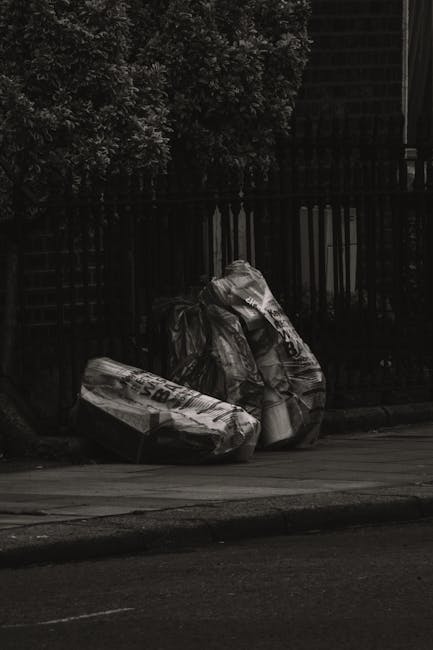
Avoid hidden rubbish removal charges in Notting Hill

If you have ever booked a rubbish clearance and then seen the final bill creep up, you already know the frustration. In Notting Hill, where access can be tight, parking can be awkward, and jobs often involve mixed waste or bulky items, hidden fees can appear in places you did not expect. The good news? You can avoid hidden rubbish removal charges in Notting Hill with a few simple checks before anyone lifts a single bag.
This guide walks you through the real-world ways prices change, what to ask before you book, and how to compare quotes properly. We will keep it practical, local, and plain-English. No waffle. Just the bits that save money and reduce stress.
Truth be told, most surprise charges are preventable. You just need to know where they hide.
Key takeaway: The cheapest quote is not always the cheapest job. Ask what is included, confirm access and waste type, and get the price structure in writing before collection day.
Why Avoid hidden rubbish removal charges in Notting Hill Matters
Rubbish removal sounds simple until the small print starts doing the heavy lifting. A quote may look fine at first glance, then suddenly increase because of access issues, extra labour, disposal fees, item restrictions, or waiting time. In a busy London area like Notting Hill, those details matter even more because properties are often compact, parking is limited, and collections can involve staircases, shared entrances, or restricted loading space.
Hidden charges are more than an annoyance. They can distort your budget, make it hard to compare providers, and leave you feeling stuck once the team has already arrived. And let's face it, nobody wants to negotiate a price while a sofa is halfway down the stairs and the van is idling outside.
There is also a trust angle here. Clear pricing is usually a sign that a company knows its process, understands the job, and has thought through the common complications. Poorly explained pricing can suggest the opposite.
For households, landlords, tenants, tradespeople, and small businesses, being alert to extra charges protects both your wallet and your timetable. It is not just about saving money. It is about knowing what you are paying for, and why.
How Avoid hidden rubbish removal charges in Notting Hill Works
The easiest way to avoid surprise costs is to understand how rubbish removal quotes are usually built. Most providers calculate a price using a mix of volume, weight, waste type, labour, access, and disposal cost. In practice, that means two jobs that look similar on the surface can be priced very differently.
Here is what typically affects the quote:
- Volume: How much space your rubbish takes up in the vehicle.
- Weight: Some items are heavier to dispose of, especially builders' waste, rubble, or certain appliances.
- Waste category: General household waste is different from furniture, electricals, garden waste, or hazardous materials.
- Access: Flights of stairs, narrow hallways, no lift, or long carries from the property can add labour time.
- Timing: Same-day or narrow collection windows may be priced differently.
- Parking and permits: If a van needs extra time to load legally, that can affect the job.
A clear provider will normally explain which of these are included and which could change the final price. A vague one might say "from" a very attractive number and leave the awkward bits for later. You know the kind.
To avoid hidden rubbish removal charges in Notting Hill, treat the quote like a mini specification. The more accurately you describe the job, the less room there is for unpleasant surprises.
Key Benefits and Practical Advantages
When you handle pricing properly, the benefits go beyond avoiding an awkward invoice. You get better planning, smoother collections, and fewer delays. It also makes it easier to choose between providers without guessing.
- Better budget control: You can plan the real total cost instead of just the headline figure.
- Fewer disputes: Clear expectations reduce the chance of disagreement on the day.
- Faster service: If the team knows access and waste type in advance, they can work more efficiently.
- Improved comparisons: You can compare like-for-like rather than apples with pears.
- Less stress: There is a calmness in knowing the bill will make sense. Small thing, big difference.
There is another advantage people forget: better sorting. Once you ask what is included, you often start thinking more clearly about what can be recycled, what needs special handling, and what can be grouped into one collection rather than split into several. That can trim costs and reduce hassle.
A practical example
Say you are clearing a one-bedroom flat near Westbourne Grove and you have a mix of old chairs, broken shelving, a few bags of general waste, and one heavy mattress. If you just ask for "rubbish removal," the estimate may be broad. But if you say exactly what is there, whether there are stairs, and whether the mattress needs separate handling, the quote becomes far more reliable.
That simple bit of clarity often saves the day.
Who This Is For and When It Makes Sense
This approach is useful for almost anyone booking waste collection in Notting Hill, but it is especially relevant if your job has any of the following features:
- You live in a flat or maisonette with awkward access.
- You are clearing bulky furniture or appliances.
- You are a landlord between tenancies.
- You are a tenant leaving a property and need to avoid extra costs.
- You run a shop, studio, or office and need discreet collection.
- You are a tradesperson with leftover building or renovation waste.
- You have mixed waste and are not fully sure what counts as special disposal.
It also makes sense if you are comparing several companies and the prices seem suspiciously far apart. That does not always mean one is wrong. It may mean the quotes include different assumptions. The trick is to uncover those assumptions before you choose.
For a small clear-out, a brief phone call or a written quote may be enough. For larger jobs, especially with furniture, builders' waste, or tight access, the more detail you provide, the better. That bit is easy to overlook when you are busy, but it matters.
Step-by-Step Guidance
If you want to avoid hidden rubbish removal charges in Notting Hill, follow a simple process. It is not fancy, but it works.
1. List everything you want removed
Make a rough inventory. Include bulky items, bags, broken appliances, garden waste, and anything unusual. If it is awkward to carry or might need special handling, note that too.
2. Check access before you request a quote
Think about stairs, lifts, parking, permits, loading distance, and whether the team can park near the entrance. A job on the second floor of a converted townhouse is not the same as a ground-floor pickup, even if the pile looks identical in a photo.
3. Ask what the quote includes
Do not assume labour, disposal, VAT, congestion-related delays, or extra loading time are automatically included. Ask specifically what happens if the job takes longer than expected or the waste turns out to be heavier than described.
4. Confirm any item-specific charges
Some items may carry separate handling costs, such as mattresses, fridges, freezers, or certain electricals. This is especially important if you are getting rid of mixed household waste and a couple of bigger pieces at the same time.
5. Request the final price logic in writing
Even a simple email summary helps. You are looking for plain confirmation of what is included, what could change, and what would trigger an extra charge. If the answer is vague, pause. It is better to ask twice than pay twice.
6. Compare more than the headline price
Look at what each company is actually offering. Is the collection same-day? Does the quote include loading? Are recycling efforts explained? Are there minimum charges? These details often separate a fair quote from a sneaky one.
7. Prepare the waste before the team arrives
Move items to one accessible place where possible. Separate anything you are keeping. If the crew arrives and has to hunt for items room by room, you may end up paying for extra time you could have avoided.
It sounds obvious, but small preparation can shave off a lot of friction. A tidy pile by the door beats three half-finished stacks in different rooms. Every time.
Expert Tips for Better Results
In our experience, the best way to keep rubbish removal costs under control is not to chase the lowest quote. It is to reduce ambiguity. Clear jobs cost less to manage, and less uncertainty usually means fewer surprises.
- Use photos for quotes: A few honest photos of the waste and access route can make the estimate much more reliable.
- Be specific about the items: "Furniture" is too broad. A wardrobe, a sofa, and a dismantled bed frame are not quite the same.
- Ask about mixed loads: Mixed rubbish often requires sorting, which can affect disposal charges.
- Group jobs sensibly: If you have a few additional items coming out tomorrow, it may be better to wait and do one collection.
- Think about recycling first: Reuse or recycling can reduce the volume of waste sent for disposal, and that can help with overall cost.
One useful habit is to imagine the collection from the driver's side rather than your own. Can the team walk straight in? Can they lift and move without constantly stopping? Will they need to navigate a tight communal staircase? That mental check often catches the chargeable bits before they become a problem.
Also, never be embarrassed to ask what "extra" really means. If a company uses that word but cannot explain it clearly, that is a red flag. Not a massive one, perhaps, but enough to pay attention.
Common Mistakes to Avoid
Most hidden fee problems come from a handful of predictable mistakes. Avoiding these can save a surprising amount of money.
- Booking from the headline price alone. The cheapest ad is often missing key details.
- Not mentioning access issues. Stairs, no lift, or limited parking can change the final price.
- Forgetting about heavy or special items. Fridges, mattresses, and some waste streams may be priced differently.
- Assuming labour is unlimited. Some quotes include only a set amount of time or a set amount of lifting.
- Leaving waste unprepared. If the crew has to sort and move everything from scratch, the job becomes slower and dearer.
- Not checking disposal rules. Some materials need careful handling, and that can affect cost and scheduling.
There is also a quieter mistake: failing to ask how the company handles changes. Maybe the job is bigger than expected, or maybe a friend adds a few extra bags at the last minute. A good provider will tell you how that is priced. A poor one will improvise. And that is where the money starts wandering off.
Tools, Resources and Recommendations
You do not need a big toolkit to manage rubbish removal well, but a few simple resources help a lot.
- Phone camera: Take clear photos of the waste, the entrance, stairs, and parking situation.
- Rough item list: A written list stops you forgetting the awkward bits.
- Measuring tape: Useful for bulky items like wardrobes, sofas, or appliances.
- Access notes: Lift size, stair count, and parking restrictions are all helpful.
- Quote comparison sheet: Even a basic notes app can help you compare what each provider includes.
For services such as general waste removal, furniture disposal, house clearance, or office clearance, it is worth browsing the provider's service pages before you book. That helps you understand what is likely included and which jobs may need special handling. Relevant pages such as waste removal, furniture disposal, and house clearance can be useful starting points if you are trying to match the service to the job.
If your clear-out involves a flat, loft, or office, the exact setup matters even more. A compact flat with stairs is a different beast from a ground-floor office with a service entrance. That is just reality.
Law, Compliance, Standards, or Best Practice
When rubbish is collected in the UK, there are practical standards and responsibilities that matter, even if your main concern is simply avoiding extra charges. You do not need to become a legal expert, but a few basics help you spot good practice.
First, waste should be handled by a provider that follows proper disposal and duty-of-care expectations. In plain English, that means your waste should go where it is supposed to go, and the provider should understand how to manage it responsibly. If something feels vague about where the waste ends up, ask questions.
Second, some waste types need special care. Hazardous materials, certain electrical items, and other regulated waste streams are not the same as general household rubbish. If you misclassify them, you may face extra fees or collection problems. Better to be upfront from the start.
Third, best practice means transparent pricing. A clear quote should ideally explain labour, disposal, access assumptions, and any possible add-ons. That is not just good customer service. It is how reputable jobs tend to run.
Finally, insurance and safety matter. If the team is moving heavy items through tight spaces or shared entrances, the process should be handled carefully. For jobs that feel more complex than a standard collection, it is wise to check practical policies like insurance and safety and the company's health and safety policy. That is not overcautious. That is sensible.
Options, Methods, or Comparison Table
There is more than one way to clear waste in Notting Hill, and each method has a different cost structure. The right option depends on volume, access, urgency, and the type of rubbish.
| Option | Best for | Possible hidden cost risk | What to check |
|---|---|---|---|
| Man-and-van style rubbish removal | Quick clear-outs, bulky items, mixed loads | Access, labour time, item surcharges | What labour is included, how extra time is charged |
| Skip hire | Longer projects, ongoing renovation waste | Permit cost, skip size mistakes, overfilling | What can go in a skip, permit needs, weight limits |
| Specialist item collection | Appliances, mattresses, furniture | Per-item charges, staircase access, collection slots | Whether the item needs special handling or dismantling |
| Full property clearance | End-of-tenancy, probate, hoarding, large moves | Volume changes, extra labour, sorting time | Whether the quote is fixed, what happens if contents are more than expected |
If you are unsure which method suits you, compare the scale of the job first. A few bags and a sofa are not the same as a whole flat's contents. For bigger clearances, services such as flat clearance, home clearance, or office clearance may be more appropriate than a simple collection.
As a rule of thumb, the simpler the load and the better the access, the easier it is to keep pricing honest. The messier the job, the more important the fine print becomes.
Case Study or Real-World Example
A resident in a Notting Hill flat wanted to clear a mix of old bedroom furniture, a small appliance, and several bags of household waste before a move. On the first quote, the price looked reasonable, but the provider had not asked about the narrow stairwell or the lack of nearby parking. That could have meant a charge increase on the day.
Instead, the resident sent photos of the items, the staircase, and the building entrance. They also listed the appliance and checked whether it needed separate handling. The revised quote was a little higher than the first headline figure, but it was accurate. No awkward extras later. No debate at the door. Just a clean job and a clear bill.
That is the important part. A more honest quote can look less exciting at first, yet it often costs less in reality because the number you agree is the number you pay. Funny how that works.
This is especially useful for local streets where parking and access can be fiddly. A clear description of the job helps the collection team plan the route, the loading time, and the right vehicle size before they arrive.
Practical Checklist
Use this checklist before you confirm any rubbish removal booking in Notting Hill.
- Have I listed every item that needs removing?
- Have I included bulky, heavy, or awkward items?
- Have I mentioned stairs, lifts, parking, and loading access?
- Do I know whether the quote includes labour and disposal?
- Have I asked about extra charges for special items?
- Do I know how the provider handles changes on the day?
- Have I checked whether the waste could be recycled or needs separate disposal?
- Is the price confirmed clearly in writing?
- Have I compared more than one provider, not just the cheapest headline figure?
- Is the collection time realistic for my schedule and building access?
If you can tick most of those off, you are already ahead of a lot of people. Honestly, that alone can save you from the classic "Oh, there's an extra charge for that" moment.
Get a free quote today and see how much you can save.
Conclusion
To avoid hidden rubbish removal charges in Notting Hill, the main thing is simple: be precise, ask direct questions, and compare on real inclusions rather than headline figures. The more clearly you describe the waste, the access, and any special items, the less room there is for surprise costs.
Notting Hill can be a straightforward place to arrange waste collection if the quote is built properly. Tight streets, shared entrances, and varying property layouts are normal here, so a little preparation goes a long way. Take the time to get the details right and you will usually get a smoother, fairer result.
And if you are still weighing up your options, that is fine too. A careful decision now is worth far more than a rushed booking that leaves you muttering at the invoice later. Better to pause, ask, and get it right.
Frequently Asked Questions
What are the most common hidden rubbish removal charges in Notting Hill?
The most common surprise charges usually relate to access, extra labour, heavy items, special waste types, or collection taking longer than expected. Parking and stair access can matter more than people think.
How can I tell if a rubbish removal quote is genuinely fixed?
Ask exactly what the quote includes and whether anything could change the final price. A fixed quote should clearly state the assumptions behind it, including waste type, access, and labour.
Do I need to mention stairs or no lift when getting a quote?
Yes. Stairs and lifts affect labour time, handling effort, and sometimes the size of the team needed. If you leave that out, the quote may not be accurate.
Is the cheapest rubbish removal service always the best option?
Not usually. The lowest price can be missing disposal, labour, or item-specific charges. A slightly higher but clearer quote often works out better in practice.
Can I reduce rubbish removal costs by sorting items first?
Yes. Sorting items helps the provider understand the job more accurately, and it may reduce time on site. Separating reusable, recyclable, and general waste can also help.
Do furniture items cost more to remove than bags of rubbish?
They can, especially if they are bulky, heavy, or awkward to carry. Sofas, wardrobes, and mattresses often need more handling than standard bags of waste.
What should I ask before booking rubbish removal in Notting Hill?
Ask what is included, whether labour is covered, what happens if access is difficult, and whether there are extra charges for special items or delays. A few direct questions save a lot of bother.
Are skip hire and rubbish removal the same thing?
No. Skip hire usually suits longer projects and places the sorting responsibility on you, while rubbish removal often includes loading and collection. Each has different cost risks.
What if I only have a small amount of waste?
Even small jobs can attract minimum charges or access-related fees, so it is still worth asking for a clear quote. A tiny job is not automatically a cheap one if the collection is awkward.
How do I avoid paying extra on the day of collection?
Be accurate about the waste, confirm access details, and get the pricing terms in writing before collection day. Preparation is the easiest way to keep the final bill in line with the quote.
Should I be worried if a company is vague about disposal?
Yes, at least enough to ask more questions. Reputable providers should be able to explain how waste is handled and whether certain items need special treatment.
What type of jobs usually need the most careful quoting?
Large clearances, mixed loads, tight-access flats, office clear-outs, and jobs involving appliances or hazardous items usually need the most detail. The more complex the job, the more important the quote.
Choosing carefully today can save you money, time, and a fair bit of irritation tomorrow. That is the sort of small win that feels surprisingly good when the van pulls away and everything is exactly as agreed.