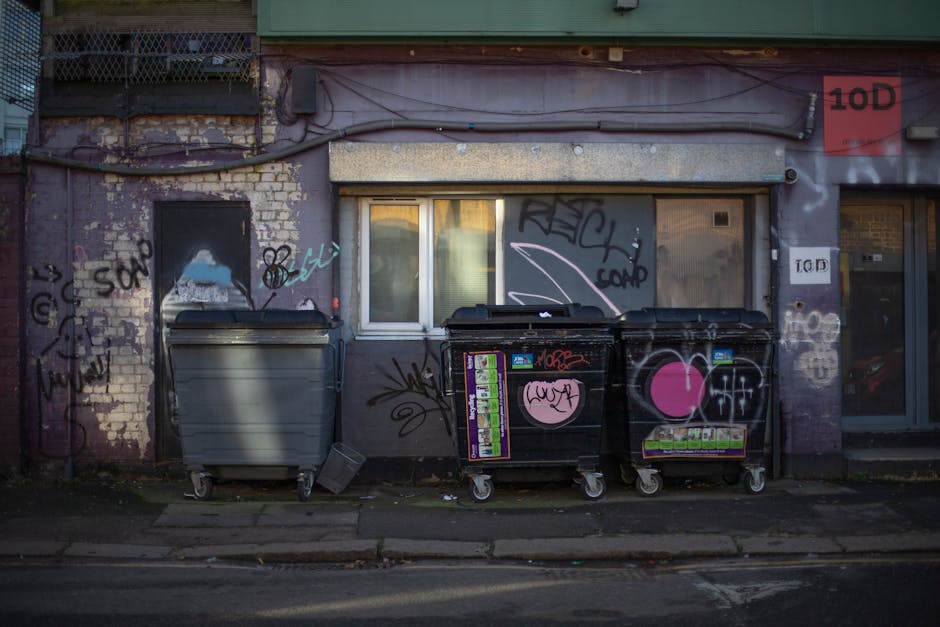
Westbourne Grove flat clearance guide with local rubbish options
If you are sorting out a flat on or near Westbourne Grove, the job can look simple right up until the first cupboard comes off its hinges and you realise there is a lot more than a few bin bags to deal with. The Westbourne Grove flat clearance guide with local rubbish options below is designed to make the whole thing feel manageable. Whether you are clearing a rental between tenants, preparing a sale, helping a relative, or just trying to reclaim space that has quietly become a storage unit, this article walks you through the practical choices, the usual pitfalls, and the rubbish disposal routes that make sense locally.
Let's face it, flat clearance in London is rarely just a "load it up and go" situation. Access can be tight, lifts may be small or missing, parking can be awkward, and one wrong decision about waste type can turn a tidy plan into a messy day. So we will keep this grounded, clear, and useful.
In this guide, you will learn how flat clearance usually works, which local rubbish options are worth considering, what can be taken away, what needs separate handling, and how to keep the process clean, legal, and as stress-free as possible.
Table of Contents
- Why Westbourne Grove flat clearance guide with local rubbish options Matters
- How Westbourne Grove flat clearance guide with local rubbish options Works
- Key Benefits and Practical Advantages
- Who This Is For and When It Makes Sense
- Step-by-Step Guidance
- Expert Tips for Better Results
- Common Mistakes to Avoid
- Tools, Resources and Recommendations
- Law, Compliance, Standards, or Best Practice
- Options, Methods, or Comparison Table
- Case Study or Real-World Example
- Practical Checklist
- Conclusion
- Frequently Asked Questions
Why Westbourne Grove flat clearance guide with local rubbish options Matters
Westbourne Grove has the sort of housing stock that makes rubbish clearance feel deceptively tricky. Flats often come with narrow hallways, basement access, shared entrances, concierge rules, residents who do not want noise at awkward hours, and a lot of bulky items that cannot simply be left outside. A proper clearance plan matters because the wrong disposal choice wastes time, increases cost, and can cause avoidable friction with neighbours or landlords.
There is also the simple issue of volume. One room can fill quickly with old furniture, broken shelving, bags of mixed household items, appliances, and the kind of miscellaneous bits nobody remembers owning until moving day. If you are dealing with a flat that has been lived in for years, the "where does all this go?" question becomes the main event.
Choosing local rubbish options carefully matters for another reason too: different waste streams need different handling. Furniture, appliances, and general household rubbish are not all treated the same way. Even a straightforward flat clearance can include items that need special disposal, such as fridges, mattresses, or anything contaminated or hazardous. A sensible plan avoids last-minute guesswork.
And yes, it also matters because timing matters. Sometimes you have one afternoon before a handover. Sometimes you have a weekend. Sometimes you have ten minutes of coordination with a letting agent and a very patient porter. The better your clearance setup, the smoother the day feels. You will notice the difference immediately.
How Westbourne Grove flat clearance guide with local rubbish options Works
At its core, flat clearance is about sorting items into categories, choosing the right removal method, and making sure everything leaves the property safely and legally. The process usually starts with a quick look at what needs to go: general rubbish, furniture, white goods, electricals, reusable items, and anything that requires specialist disposal.
From there, the practical question is how to move it out of the building and into the right disposal route. In a place like Westbourne Grove, that often means thinking through access first. Can a van stop nearby? Is there a lift? Are there stairs? Can large items fit through the front door without a wrestling match? These details sound small until you are standing in a tight hallway with a wardrobe that was clearly designed by someone with a grudge.
Local rubbish options generally fall into a few broad categories:
- Man and van style waste removal for fast, same-day or near-term clearance of mixed items.
- Skip hire where you have a suitable place to keep a skip and enough waste to justify it.
- Reusing, donating, or separating items that are still in usable condition.
- Specialist disposal for appliances, sofas, mattresses, or hazardous waste.
The right route depends on the amount, type, and urgency of the waste. For many flats, a removal service is easier than trying to manage multiple trips yourself. That is especially true when the pile includes awkward items such as wardrobes, broken desks, or an old sofa that will not turn the corner no matter how you angle it. If you need a broader service for mixed loads, waste removal support can be a good fit.
For lighter clearances, you may just need a focused furniture run. If the job is mainly chairs, tables, beds, or shelving, the dedicated furniture clearance and furniture disposal options are worth looking at. If a mattress or sofa is involved, it helps to treat those as their own category rather than hoping they magically fit in with everything else. They rarely do.
Key Benefits and Practical Advantages
The biggest benefit of a planned flat clearance is that it saves time. That sounds obvious, but the time saving is not just about speed on the day. It is also about avoiding the back-and-forth of "what can we take?", "where does it go?", "can we leave this here?", and "who is sorting the bulky stuff?"
Here are the main advantages people usually notice:
- Less disruption: A focused clearance keeps hallways, stairwells, and communal areas clearer.
- Better compliance: Proper sorting reduces the risk of dumping items where they should not go.
- Cleaner handovers: Useful for tenants, landlords, estate agents, and sellers.
- Safer handling: Heavy and sharp items are moved by people who know how to do it without smashing walls or backs.
- More room to decide what stays: Once the clutter moves out, you can actually see the flat properly.
There is also a practical cost benefit. A well-planned load is usually more efficient than multiple ad hoc trips in a hire car or van. If you are not sure how a quote is built, checking the provider's pricing and quotes information first can help you compare like with like rather than comparing apples with, well, a broken armchair and a sink full of old cables.
Another often-overlooked benefit is mental clarity. A cluttered flat can make the next step feel much bigger than it is. Once the waste is gone, decisions get easier. You stop second-guessing yourself. There is a visible difference, and honestly, that can be a relief in itself.
Who This Is For and When It Makes Sense
This guide is useful for anyone dealing with a Westbourne Grove flat that needs clearing, but the most common situations tend to be fairly familiar. You might be a tenant at the end of a lease, a landlord between lets, a homeowner preparing a sale, or a family member helping with a relative's move. Sometimes it is all of the above, which is where things get a bit lively.
It makes particular sense when:
- the flat contains bulky furniture or mixed household waste
- you need the property cleared quickly
- there is limited parking or access
- you want to avoid hiring a skip
- you need specialist handling for appliances, mattresses, or confidential papers
- you would rather not spend the entire weekend making multiple tip runs
There is a strong crossover here with broader property clearance needs too. A flat may also contain items from a loft, garage, or storage cupboard, especially in older buildings where space has been used very creatively over the years. If the job stretches beyond the flat itself, related services such as home clearance, house clearance, or even loft clearance can be relevant depending on what you are dealing with.
A quick note from experience: people often wait too long to start. Then the job becomes "urgent" and everything feels twice as annoying. If you can begin with a simple sort and a decision on the waste route, you are already ahead of the game.
Step-by-Step Guidance
1. Walk through the flat and separate waste types
Start by grouping items into categories. Keep it simple: general rubbish, furniture, electricals, appliances, textiles, recyclables, and anything sensitive or hazardous. Do not try to solve every item at once. That is how people end up standing in one room for an hour, blinking at a pile of old lamps.
2. Identify what is bulky, awkward, or restricted
Large items often determine the whole plan. Sofas, beds, wardrobes, fridges, and desks can affect access, loading time, and disposal method. If you know those items are involved, plan around them early rather than treating them as an afterthought.
3. Decide whether anything can be reused or donated
Still-serviceable furniture is often worth separating before the main clearance. That does not mean everything has a second life, but it is worth a look. A clean chair or table may be better handled separately from mixed waste. If the furniture is beyond reuse, then a dedicated route such as furniture disposal is usually more straightforward.
4. Check access and building rules
Measure doorways if needed, note stair counts, and find out whether there are time restrictions or building requirements. Westbourne Grove properties often sit within busy residential streets, so a bit of access planning saves a lot of friction later. It sounds dull. It is not dull when you are trying to get a sofa down a narrow stairwell.
5. Choose the right removal route
If you have a modest load and a clear place for a skip, it may be practical. If access is tight or you want a fast clear-out, collection-based removal is often easier. For mixed loads, a general service such as flat clearance can be the cleanest all-round choice because it combines lifting, loading, and disposal in one process.
6. Make sure specialist items are flagged
Fridges, freezers, mattresses, sofas, and hazardous waste should not be treated casually. They can require separate handling. If appliances are involved, it helps to review fridge and appliance removal. For sofas and mattresses, the dedicated mattress and sofa disposal route is the safer bet.
7. Clear, load, and final-check the property
Once the waste is gone, do a final sweep for forgotten items: chargers in drawers, documents under furniture, keys in sideboards, the odd single shoe, that sort of thing. It happens more than you would think. Then check communal areas too. The best clearances finish tidy, not just empty.
Expert Tips for Better Results
If you want the process to feel calmer and less chaotic, a few small habits make a big difference. First, sort before the van arrives if you possibly can. Even a rough separation of items will speed everything up. It also reduces the chance of something ending up in the wrong pile.
Second, keep pathways open. This is such a simple one, but it matters. Move small boxes away from doors and hallways, and make sure the route from room to exit is clear. When the team can move cleanly, the whole job feels lighter.
Third, be honest about weight and quantity. People sometimes describe a "few bits" that turn out to be a full flat's worth of stuff. Not ideal. Accurate information leads to better planning and a better quote.
Fourth, if the flat includes office-style waste or personal paperwork, do not toss sensitive documents into general rubbish without thinking it through. Confidential papers should be separated and handled properly. For that kind of material, confidential shredding is the safer route.
And one more thing: if you are comparing providers, ask how they handle recycling and sorting. Responsible disposal is not just a nice extra. It is part of good practice. You can also review a provider's recycling and sustainability approach if you want to understand what happens after collection.
Expert summary: The smoothest flat clearances are the ones where access, item type, and disposal route are decided before anyone starts lifting. A little planning saves a lot of stairwell drama.
Common Mistakes to Avoid
One of the biggest mistakes is assuming all rubbish can be handled the same way. It cannot. A flat clearance is often a mixture of standard waste, bulky furniture, and items that need more careful treatment. Mixing everything together may seem easier at first, but it can slow the job down and create disposal problems later.
Another common error is underestimating access. A flat that looks straightforward on paper may become awkward once you factor in parking, loading distance, lifts, narrow landings, or building access rules. If you have ever tried turning a mattress in a tight stairwell, you will already know the mood changes quickly.
People also sometimes leave sorting until the last minute. Then the job becomes a scramble, and things get missed. A better approach is to make quick decisions early: keep, donate, remove, recycle, or flag for special disposal. Simple, but effective.
Some other mistakes to watch for:
- leaving bulky items in communal spaces too long
- forgetting about appliance or mattress restrictions
- not checking whether the provider is set up for the waste you have
- failing to clear drawers, cupboards, and under-bed storage
- choosing a disposal method that does not suit the building access
There is also a temptation to rush because you want the flat empty fast. Fair enough. But rushing can cause more work later. Better to take ten extra minutes now than deal with a complaint, a missed item, or a second visit. Nobody wants that.
Tools, Resources and Recommendations
You do not need a complicated toolkit for a flat clearance, but a few practical things help. Sturdy sacks, gloves, tape, labels, and a basic marker pen can make sorting easier. If you are separating items into categories, labels are useful even if you think you will remember everything. You probably will not. None of us do.
Useful resources from the site include the main waste removal page, the dedicated flat clearance service, and the what can go in a skip guide if you are weighing up skip-based disposal.
If the project is bigger than a single flat, related pages such as house clearance and home clearance can help you think about the wider property picture. For lofts, garages, or leftover storage spaces, garage clearance and loft clearance are useful references too.
For reassurance on company values and service standards, it is also worth reading the about us page and, if needed, the insurance and safety information. These are the kind of pages people often skip, but they can tell you a lot about how a provider works in practice.
Law, Compliance, Standards, or Best Practice
Waste disposal in the UK is not something to treat casually, even for a domestic flat clearance. In plain English, you need to make sure waste is handled responsibly, not fly-tipped or mixed in a way that creates avoidable risk. If you are using a removal service, it is sensible to ask how waste is transported, sorted, and disposed of.
Best practice is straightforward: separate special items, keep records if you are a landlord or business user, and avoid leaving waste in public or communal areas without agreement. If the clearance relates to a business flat, serviced office, or mixed-use property, then commercial expectations are higher still. A suitable route like business waste removal may be more appropriate than a general domestic arrangement.
For anything hazardous, caution matters. Paints, chemicals, sharp items, and unknown liquids should be treated carefully and not guessed at. If in doubt, use a specialist route such as hazardous waste disposal. That is the sensible line to take, and honestly the only one worth taking.
It is also worth checking policies that show how a provider operates: health and safety policy, payment and security, and terms and conditions. For most readers, those pages are not exciting. But they are useful trust signals. A bit boring? Yes. Important? Also yes.
Options, Methods, or Comparison Table
There is no single best way to clear a flat. The right method depends on access, urgency, volume, and item type. Here is a practical comparison to help you decide.
| Option | Best for | Pros | Limitations |
|---|---|---|---|
| Man and van waste removal | Mixed flat clearance, bulky furniture, urgent jobs | Fast, flexible, little lifting for you | Costs depend on load size and access |
| Skip hire | Longer projects, builder-style waste, accessible streets or driveways | Handy if waste builds up over time | Needs space; may be less practical for busy roads |
| Furniture-only clearance | Old sofas, tables, beds, wardrobes | Simple for bulky but limited-item jobs | Not ideal if you also have mixed rubbish |
| Specialist item removal | Appliances, mattresses, hazardous items | Safer, more compliant, less risk of mistakes | May need separate booking or handling |
If you are unsure whether a skip is the right fit, the what can go in a skip guide is a useful sanity check before you commit. It can save a lot of awkward surprises.
For a lot of Westbourne Grove flats, the sweet spot is a collection-based service that handles lifting and disposal together. That is especially true where access is tight and the waste includes more than just bagged rubbish.
Case Study or Real-World Example
Picture a typical one-bedroom flat off Westbourne Grove. The tenant has moved out, but there is still a sofa in the lounge, a mattress in the bedroom, two flat-pack bookcases, some kitchen clutter, and a small pile of old electronics. On the surface, it looks like a half-day job. In reality, the property has one narrow staircase, limited street loading, and a neighbour who is not thrilled about items being left in the hallway.
The smartest approach would be to separate the electronics and paperwork first, identify the sofa and mattress as specialist items, then book a clearance that can handle the mixed load in one visit. The result is less shuffling, less waiting, and a cleaner handover at the end of the day.
That kind of job comes up all the time. Not dramatic, not glamorous, just ordinary city living. But when it is done properly, the difference is immediate. The flat feels lighter. The corridor is clear. The estate agent can do their inspection without stepping over odds and ends. Simple win, really.
Practical Checklist
Use this checklist before the clearance starts:
- Walk through every room and note all items to remove
- Separate general waste from furniture, appliances, and special items
- Check for documents, keys, chargers, and valuables in drawers and cupboards
- Measure or inspect access points if large items are involved
- Confirm whether there are building or parking restrictions
- Decide whether reusable items should be kept aside
- Flag fridges, sofas, mattresses, and hazardous materials early
- Choose the most suitable disposal route for the waste type
- Clear communal areas and protect floors if needed
- Do a final sweep once the flat is empty
If you are coordinating with a landlord, agent, or family member, it helps to have one person responsible for final sign-off. That way nobody assumes someone else checked the cupboard under the sink. A very common mistake, that one.
Conclusion
A Westbourne Grove flat clearance does not have to be stressful. Once you break it into categories, think through access, and choose the right local rubbish option, the whole job becomes far more manageable. The key is to be practical: separate specialist items, avoid last-minute confusion, and use a disposal route that suits the flat rather than forcing the flat to suit the disposal route.
For small clearances, a simple furniture or waste collection may be enough. For busier, mixed, or urgent jobs, a full flat clearance service is usually the most efficient path. Either way, a little preparation goes a long way. And when the last item is gone and the room feels oddly echoey, you will probably feel that small, satisfying lift that comes from getting something properly finished.
Get a free quote today and see how much you can save.
When the dust settles, a clear flat is easier to hand over, easier to live in, and a lot easier to breathe in too. That matters more than people think.
Frequently Asked Questions
What is included in a Westbourne Grove flat clearance?
Most flat clearances include general household rubbish, unwanted furniture, bagged waste, and bulky items such as beds or wardrobes. Some providers also handle appliances, mattresses, and other specialist items if they are flagged in advance.
Can I clear a flat in Westbourne Grove on the same day?
Sometimes, yes. Same-day clearance depends on availability, access, and the amount of waste. If you are flexible and the load is straightforward, it can often be arranged more quickly than people expect.
Is it better to use a skip or a flat clearance service?
It depends on the building and the waste type. A skip can work well if there is space and the waste is suitable. A flat clearance service is often better for tight access, bulky furniture, and mixed rubbish because the lifting and loading are done for you.
What rubbish options are most useful for local flat clearances?
The most practical options are general waste removal, furniture clearance, appliance removal, and specialist disposal for items like mattresses or hazardous materials. The right choice depends on what you are clearing and how quickly it needs to be done.
Can I include sofas and mattresses with general rubbish?
Usually not without checking first. Sofas and mattresses are often handled separately for disposal and recycling reasons, so it is better to use the appropriate service rather than assuming they can go with everything else.
Do I need to sort items before the clearance team arrives?
It is not always essential, but it helps a lot. Even a basic separation of keep, remove, recycle, and specialist items makes the job quicker and reduces the chance of mistakes.
What happens if the flat has very limited access?
That is common in London flats. A good clearance plan takes access into account early, including staircases, lifts, parking, and loading distance. If access is tight, collection-based removal is often more practical than trying to manage disposal yourself.
How do I know if something counts as hazardous waste?
If the item contains chemicals, unknown liquids, or materials that could be harmful, treat it cautiously and ask for specialist handling. When in doubt, do not guess. Hazardous items should always be handled with more care than everyday rubbish.
Can landlords use this service between tenancies?
Yes, this is one of the most common use cases. A flat clearance is often used to prepare a property for cleaning, inspection, re-marketing, or new tenants. It is especially useful when a tenant has left behind bulky items.
What should I check before booking a clearance?
Check the waste type, access, timing, and whether any specialist items are involved. It also helps to review pricing details and service policies so you know what is included before the work starts.
How long does a flat clearance usually take?
That varies widely. A small, easy-access flat may take less than half a day, while a fuller clearance with stairs, bulky items, or mixed waste can take longer. The cleaner the access and the clearer the item list, the faster it usually goes.
What if I only need one or two items removed?
Then a smaller furniture or appliance collection may be enough. You do not always need a full clearance service. Sometimes the best answer is the simplest one, and that is fine.